If you’re managing chronic joint pain, back pain, or a soft tissue injury, steroid injections are probably part of your treatment history. They’re one of the most commonly performed pain procedures in the country — fast, familiar, and covered by most insurance plans. However, if your pain keeps returning after each injection, you’re not alone, and you’re not out of options.
Understanding how steroid injections and Prolozone® Therapy work — and why they produce such different results — can help you make a more informed decision about your next step.
How Steroid Injections Work
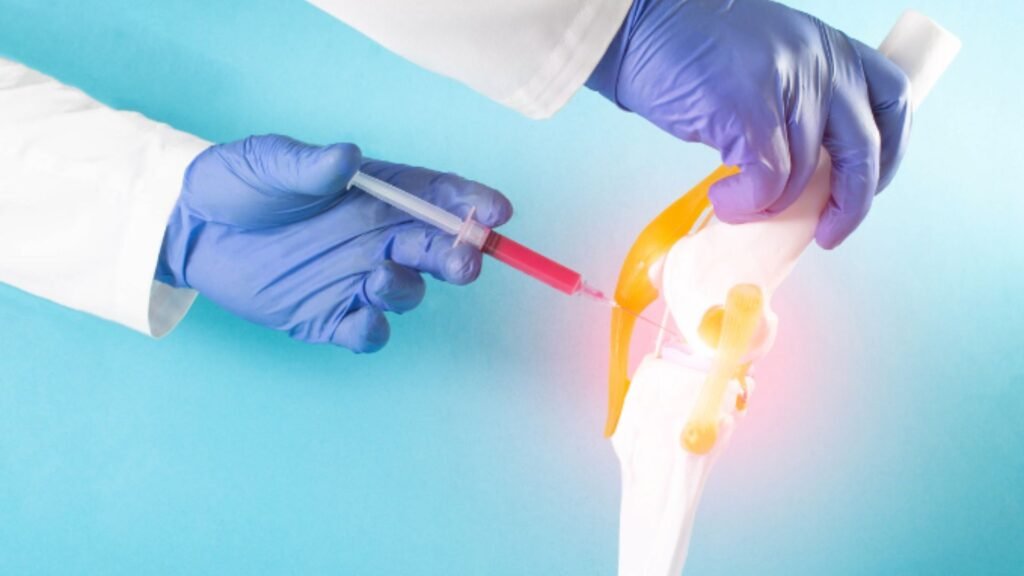
Steroid injections deliver a corticosteroid — most commonly cortisone — directly into an inflamed joint, tendon, or spinal structure. Cortisone suppresses the local immune response, reducing inflammation and providing pain relief. For many patients, this relief is significant and genuinely improves quality of life in the short term.
The limitation is that cortisone does not repair the tissue causing the inflammation. It does not heal a damaged disc, rebuild worn cartilage, or tighten a lax ligament. Because the structural source of the problem remains, inflammation returns as the cortisone wears off — typically within four to twelve weeks. The cycle then repeats.
In addition, repeated steroid injections carry documented risks. Research has shown that frequent cortisone injections can accelerate cartilage breakdown and weaken tendons over time. The treatment designed to manage pain can, with repeated use, contribute to the structural deterioration causing it.
How Prolozone® Therapy Works Differently
Prolozone® Therapy is designed to address what cortisone cannot: the damaged tissue itself. Rather than suppressing the inflammatory response, it delivers what the damaged tissue needs to repair — medical-grade ozone and a targeted anti-inflammatory nutrient formula injected precisely into the area of structural damage.
The ozone component increases oxygen utilization at the cellular level, activating the body’s own repair cells — fibroblasts for connective tissue, chondroblasts for cartilage. As a result, the tissue actually begins to repair itself rather than remaining in a chronic inflammatory state. The nutrient formula provides anti-inflammatory support and the raw materials for tissue regeneration.
Because the underlying structural damage is being addressed, improvement with Prolozone® is progressive and cumulative rather than temporary. Patients typically notice continued improvement between sessions rather than relief that fades on a predictable schedule.
Side by Side: Key Differences
- Cortisone suppresses inflammation temporarily — Prolozone® stimulates tissue repair
- Cortisone effects typically last 4–12 weeks — Prolozone® improvement is cumulative and lasting
- Repeated cortisone can degrade cartilage and tendons — Prolozone® has no documented tissue degradation risk
- Cortisone contains synthetic steroids — Prolozone® contains ozone and natural nutrients, no steroids or opioids
- Cortisone treats the symptom — Prolozone® targets the structural cause
When Does It Make Sense to Switch?
If you’ve had two or more steroid injections for the same condition and the pain keeps returning, the inflammation keeps coming back because the underlying damage hasn’t healed. That is the clearest signal that a different approach is needed — one that addresses the structural source rather than continuing to suppress the symptom.
Dr. Steven Wiener evaluates every patient thoroughly before recommending treatment. He’ll give you an honest assessment of whether Prolozone® is the right fit for your condition and what results are realistic. His practice is located at 359 Enterprise Ct in Bloomfield Hills, MI, serving patients throughout Oakland County. Call (248) 291-7223 to schedule a consultation.