Reaching for a coffee mug shouldn’t be a calculated risk. For residents of Bloomfield Hills, persistent shoulder pain transforms simple acts into sources of frustration. The standard path of physical therapy and cortisone shots often leads to a familiar cycle: brief respite followed by the pain’s inevitable return. Effective chronic shoulder pain treatment requires a shift in focus from suppressing symptoms to repairing the damaged structures that cause them.
Common Causes of Persistent Shoulder Pain
The shoulder’s design prioritizes mobility over stability, making it susceptible to chronic problems. Pain that lingers for months typically originates from degenerative changes or incomplete healing of past injuries. Diagnoses often include rotator cuff tendinitis or tears, osteoarthritis in the joint, adhesive capsulitis, and labral tears. Persistent discomfort can also stem from ligament weakness, which creates joint instability even without a major tear.
An MRI ordered by an orthopedic specialist can reveal structural damage like a torn tendon. However, imaging alone may not identify the functional root of the problem, such as chronically poor blood flow to the area or lax ligaments that fail to support the joint. This distinction is fundamental. A treatment plan that addresses only the visible tear but not the underlying tissue weakness is less likely to provide a permanent solution.
Evaluating Your Chronic Shoulder Pain Treatment Options in Bloomfield Hills
The local healthcare landscape provides a full range of options, each with a different underlying philosophy. Traditional care typically follows a sequential model, escalating in intensity if initial steps fail.
First-line recommendations usually involve conservative measures. Physical therapy aims to strengthen the muscles around the joint to improve stability. A pain management specialist might administer a cortisone injection to suppress inflammation and offer pain relief. Some patients also try chiropractic adjustments or acupuncture.
When these methods do not yield sufficient or lasting improvement, surgery becomes a common discussion point. An orthopedic surgeon may propose an arthroscopic procedure to repair a torn rotator cuff or clean out the joint. Surgery carries standard risks like infection and complications from anesthesia, and it mandates a prolonged recovery period. Critically, it may not alter the joint’s biologic environment. If ligaments remain weak and circulation is poor, the repaired tissue may be vulnerable to re-injury.
| Treatment Approach | Primary Goal | Typical Outcome | Considerations |
|---|---|---|---|
| Cortisone Injection | Reduce inflammation & pain | Temporary relief (weeks-months) | Can weaken tissue with repeated use |
| Physical Therapy | Improve strength & mobility | Varies; requires consistent effort | Excellent for rehabilitation; may not heal damaged ligaments |
| Shoulder Arthroscopy | Repair or remove damaged tissue | Can be effective for specific tears | Surgical risks, anesthesia, lengthy rehab |
| Regenerative Medicine (e.g., Prolozone) | Heal and strengthen damaged structures | Addresses root cause, aims for long-term stability | Non-surgical, uses body’s healing mechanisms |
The Limitations of Conventional Approaches
Cortisone serves a purpose for acute inflammatory crises. Its benefits are short-lived. More significantly, corticosteroids can suppress collagen synthesis. Since collagen forms the foundation of tendons and ligaments, repeated injections may degrade the tissue’s integrity. Surgery can reattach a torn structure, but it does not enhance the biologic capacity for healing. A joint with lax ligaments and compromised blood supply may continue to cause pain or develop new issues post-operation.
This therapeutic gap is where regenerative medicine and advanced non-surgical pain relief strategies present an alternative. The objective moves from symptom control or mechanical repair to catalyzing the body’s own repair mechanisms to strengthen the joint from within.
Prolozone Therapy: A Regenerative Approach to Healing
Prolozone Therapy is a specific type of regenerative injection treatment. It has become a central part of contemporary natural pain management in Bloomfield Hills. The procedure involves injecting a carefully formulated mixture of medical ozone and therapeutic nutrients directly into the injured ligaments, tendons, or joint capsule of the shoulder.
Ozone is a reactive form of oxygen. When introduced into a site of chronic injury, it functions as a potent biochemical catalyst. It enhances local oxygenation and blood flow, reduces inflammatory mediators, and crucially, activates fibroblast cells. These cells respond by producing new, robust collagen fibers. This process directly fortifies weakened ligaments, improves joint stability, and targets the origin of many chronic shoulder pain conditions.
The specific science of this method is detailed on our page explaining how Prolozone Therapy works. It stands as a clear alternative to steroid injections, with a philosophy centered on regeneration instead of suppression.
What to Expect During Treatment
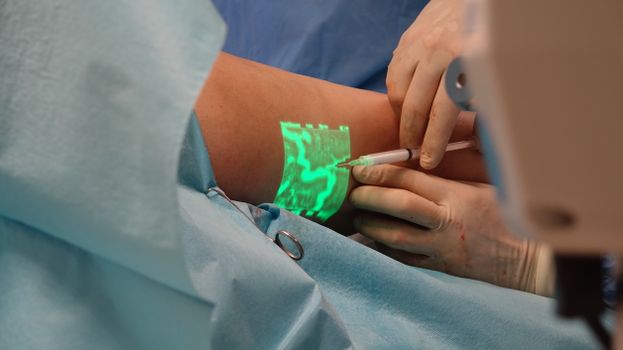
A comprehensive evaluation pinpoints the precise anatomical source of pain. Using detailed knowledge of shoulder anatomy, a trained physician injects the solution into the specific ligaments and attachment points contributing to instability. The injections use fine-gauge needles, and most patients report feeling a temporary pressure or dull ache.
A standard protocol for chronic shoulder pain might involve a short series of sessions, often three to five, spaced one to two weeks apart. This spacing allows the regenerative process to accumulate. There are no incisions, no general anesthesia, and no lengthy post-operative protocols. Patients can typically return to light daily activities soon after the procedure, while avoiding heavy lifting or strenuous exercise for a brief period to allow the healing response to establish.
Clinical observations and patient reports suggest the regenerative effects continue for weeks after each injection as the body builds new tissue. A 2018 review in the *Journal of Prolotherapy* noted that ozone-based injection therapies can stimulate a sustained anti-inflammatory and proliferative healing response in musculoskeletal tissues.
Choosing the Right Path for Your Shoulder Recovery
Successful chronic shoulder pain treatment in Bloomfield Hills demands specificity. The critical question extends beyond identifying what hurts to understanding why the tissue failed to heal initially. An approach that only masks symptoms may commit you to a repetitive cycle of care.
Long-term improvement hinges on an accurate diagnosis and a treatment strategy committed to true biologic repair. This means selecting a provider who conducts a thorough assessment and offers solutions aimed at restoring the structural integrity of the shoulder’s soft tissues. For a growing number of patients, this leads to considering non-surgical shoulder pain treatment options with a regenerative focus.
The choice between repeated temporary measures, surgery, or a regenerative protocol carries significant weight for your health and lifestyle. We advise gathering comprehensive information. A clear understanding of the differences between Prolozone and cortisone shots provides a solid foundation for anyone evaluating injection therapies.
Frequently asked questions
What is the most effective non-surgical treatment for chronic shoulder pain?
Effectiveness depends on the pain’s root cause. For pain stemming from ligament laxity, tendon degeneration, or joint instability, regenerative injections like Prolozone Therapy can be highly effective. They work by stimulating the body to repair and strengthen damaged structures, offering a potential long-term solution unlike temporary anti-inflammatory injections.
How many Prolozone Therapy sessions will I need for my shoulder?
A typical treatment plan involves 3 to 5 sessions scheduled about 1 to 2 weeks apart. Chronic or severe conditions may require additional treatments. Your provider will create a personalized plan based on your specific diagnosis and how your shoulder responds to the initial sessions.
Is Prolozone Therapy covered by insurance?
Currently, Prolozone Therapy is considered an advanced regenerative treatment and is not typically covered by major medical insurance plans. Most practices offer it as a self-pay procedure. Many patients find the investment worthwhile to avoid surgery, prolonged recovery, and the recurring costs of temporary treatments.
Can Prolozone Therapy help me avoid shoulder surgery?
For many patients, yes. By strengthening the ligaments and improving joint stability, Prolozone Therapy addresses the underlying causes of pain and dysfunction. If the primary issue is tissue weakness and degeneration rather than a massive acute tear, this regenerative approach can restore function and alleviate pain, potentially eliminating the need for a surgical procedure.
How do I find a qualified provider for Prolozone in Bloomfield Hills?
Look for a board-certified physician with specialized training in regenerative injection techniques and a focus on non-surgical pain management. Schedule a consultation to discuss your specific history, get a clear diagnosis, and understand if your condition is suitable for this approach. A qualified provider will perform a thorough physical exam and review all prior imaging.
Are there any side effects or downtime associated with Prolozone Therapy?
Side effects are generally mild and temporary. Some patients experience soreness, stiffness, or a feeling of fullness at the injection site for 24 to 48 hours, similar to a post-workout sensation. Significant downtime is uncommon. Patients are advised to avoid strenuous activity for a few days to allow the treatment to take effect, but normal daily activities can usually be resumed immediately.