Key Takeaways
- Many patients view back surgery as the only option, but it’s not always the most effective choice.
- Surgery addresses specific structural issues but cannot heal surrounding tissue, often leading to persistent pain.
- Failed Back Surgery Syndrome occurs when pain persists after surgery due to factors such as scar tissue or unaddressed tissue damage.
- Prolozone® Therapy offers an alternative by targeting damaged spinal tissue and reducing inflammation without surgery.
- Patients should ask critical questions before surgery, and seeking a second opinion can clarify whether surgery is necessary.
Being told you need back surgery is a heavy moment. It comes after months or years of pain, after treatments that didn’t work well enough, and often after imaging that shows something significant enough that a surgeon feels confident recommending an operation. And yet, for a large percentage of patients who receive that recommendation, back surgery is not the only path forward — and in many cases, it’s not even the most effective one.
This article isn’t anti-surgery. Surgery has genuine value for specific, severe structural failures. But it is worth understanding what surgery can and can’t do before you commit to a procedure that carries real risk, significant recovery time, and no guarantee of pain resolution.
What Surgery Actually Does — and Doesn’t Do
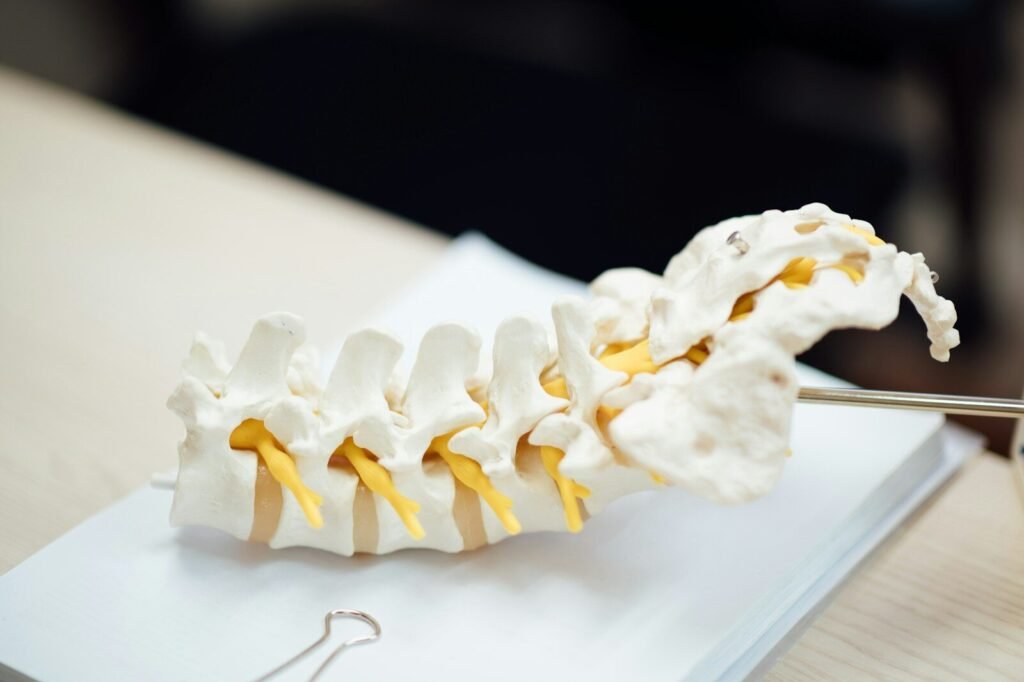
Most back surgery falls into a few categories: discectomy (removing part of a herniated disc), spinal fusion (connecting vertebrae to eliminate movement at a painful segment), laminectomy (removing bone to create more space for compressed nerves), or some combination of these.
Surgery addresses structural problems that can be mechanically corrected — a disc fragment pressing on a nerve, a severely narrowed spinal canal, or an unstable vertebral segment. For those specific situations, it can be genuinely effective.
What surgery cannot do is heal the surrounding tissue — the ligaments, facet joint capsules, and connective structures that are often chronically inflamed and damaged alongside the primary structural problem. This is one reason why a meaningful percentage of patients continue to experience significant pain after technically successful back surgery. The structural issue was addressed, but the tissue damage driving much of the pain was not.
The Problem of Failed Back Surgery Syndrome
Failed back surgery syndrome is a recognized medical condition describing persistent or recurrent pain following back surgery. It’s more common than most patients are told when surgery is being discussed. Causes include scar tissue formation, adjacent segment degeneration, incomplete resolution of nerve irritation, and the ongoing tissue damage that surgery didn’t address.
Dr. Wiener regularly treats patients at his Bloomfield Hills practice who come in with exactly this history — they had surgery, it helped somewhat, but the pain persists or returned. Prolozone® Therapy is particularly effective in this population because it targets the tissue damage and chronic inflammation left behind by surgical intervention.
Questions to Ask Before Agreeing to Back Surgery
Before scheduling a procedure, it’s worth getting clear answers to these questions from your surgeon:
- What specifically will this surgery fix, and what will it not address?
- What is the realistic probability that my pain resolves after surgery?
- What is the recovery timeline, and what are the risks?
- Have I exhausted conservative and regenerative options first?
- What happens if the surgery doesn’t resolve the pain?
If the answers are uncertain or the surgeon can’t clearly explain the specific structural problem being corrected, a second opinion is worth pursuing before proceeding.
Why Many Michigan Patients Choose Prolozone® First
Prolozone® Therapy delivers medical-grade ozone and targeted nutrients directly into the damaged spinal tissue — the discs, ligaments, facet joints, and connective structures that cortisone can’t heal and surgery doesn’t address. It stimulates genuine structural repair at the cellular level, reducing the chronic inflammation that drives most back pain.
It’s performed in the office in 15–20 minutes, requires no anesthesia, and most patients return to normal activity the same day. For patients who have been told surgery is their only option, it represents a meaningful, lower-risk path worth exploring before making an irreversible decision.
Getting a Second Opinion in Bloomfield Hills
Dr. Steven Wiener offers thorough diagnostic evaluations for patients who have been told they need back surgery and want to explore whether a regenerative approach could provide equivalent or better relief. He will tell you honestly if surgery is the right choice for your specific condition — and if Prolozone® is a viable alternative, he’ll explain why.
His practice is located at 359 Enterprise Ct in Bloomfield Hills, MI, serving patients throughout Oakland County, including Troy, West Bloomfield, Rochester Hills, Farmington Hills, and Birmingham. Call (248) 291-7223 to schedule a consultation.