Key Takeaways
- Ozone therapy is a legitimate treatment for chronic pain and inflammation, used mainly in Europe and now gaining traction in the US.
- Medical-grade ozone (O3) is different from harmful ground-level ozone; it aids in wound healing and improves circulation.
- Research shows that ozone therapy is safe when administered correctly by trained physicians, with minimal side effects.
- Prolozone® Therapy combines ozone with nutrients for enhanced anti-inflammatory support and tissue repair.
- Consider ozone therapy if you have chronic pain that hasn’t improved with traditional treatments and want an opioid-free option.
Ozone therapy has been used in clinical medicine for more than a century, primarily in Europe, and is increasingly offered in the United States by physicians treating chronic pain, inflammation, and musculoskeletal conditions. Despite its track record, many patients encounter it with reasonable skepticism — the name sounds industrial, the mechanism isn’t well known, and the medical mainstream in the US has been slow to adopt it.
The short answers: ozone therapy is a legitimate, research-supported medical treatment, and when administered correctly by a trained physician, it has a well-established safety profile. Here’s what you should know.
What Ozone Is and How It’s Used Medically
Ozone (O3) is a molecule consisting of three oxygen atoms. At ground level, it’s an air pollutant — that’s the ozone you’re warned about in air quality alerts. Medical-grade ozone is an entirely different context: a precisely controlled, pharmaceutical-grade preparation administered in specific concentrations by trained physicians for therapeutic purposes.
Medical ozone has been used therapeutically in Europe — particularly Germany, Italy, and Spain — since the early 20th century. It’s used for wound healing, immune modulation, circulatory conditions, and increasingly for musculoskeletal pain through techniques like Prolozone® Therapy. The American Academy of Ozonotherapy trains and certifies physicians in the clinical use of ozonotherapy.
How Ozone Works in the Body
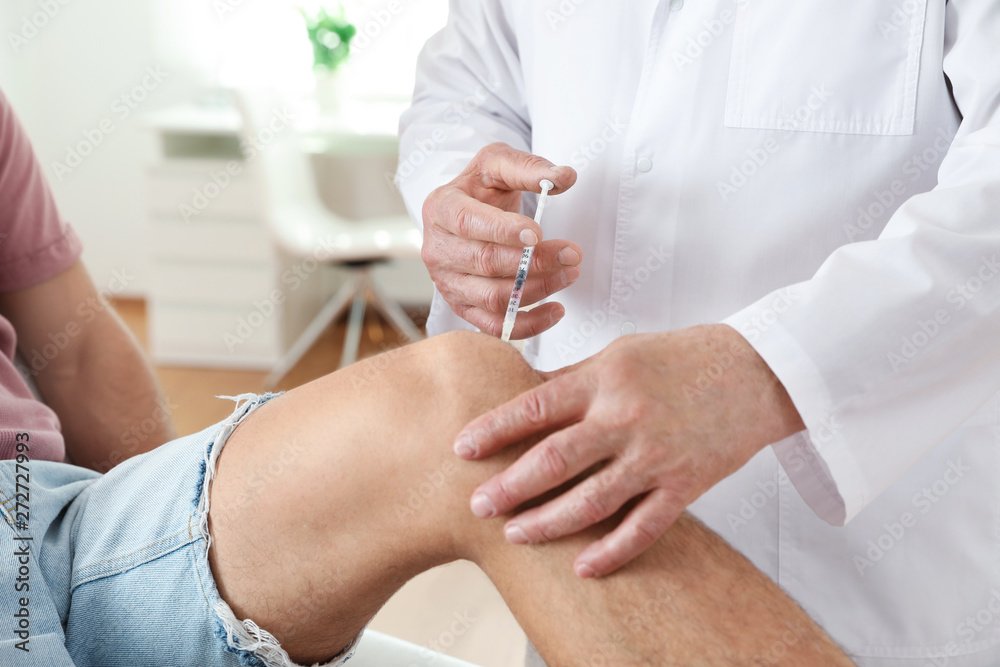
When medical-grade ozone is injected into damaged tissue, it triggers a cascade of beneficial biological responses. The primary mechanism is oxidative preconditioning: ozone reacts with biological molecules at the injection site, generating mild oxidative signals that activate the body’s own antioxidant and repair systems.
In practical terms, this means: increased oxygen utilization at the cellular level in the treated tissue, activation of the body’s repair cells (fibroblasts for connective tissue, chondroblasts for cartilage), reduction of chronic inflammatory mediators, and improved local circulation and oxygen delivery to tissue that has been starved of both.
For damaged discs, joints, ligaments, and tendons — all of which have poor blood supply and therefore struggle to receive adequate oxygen for repair — this is particularly meaningful. Ozone essentially restores the biological conditions the tissue needs to complete the healing process it started, but couldn’t finish.
Is It Safe? What the Research Shows
The safety profile of medical ozone, when administered by a properly trained physician at appropriate concentrations, is well-established in the literature. Peer-reviewed research spanning decades documents minimal adverse effects and no systemic toxicity from properly administered therapeutic ozone injections.
The key distinction is administration. Ozone must be used at specific therapeutic concentrations — too low, and it’s ineffective, too high, and it can cause local irritation. This is why physician training matters and why the treatment should never be sought from uncertified practitioners or wellness centers without appropriate medical oversight.
Importantly, ozone therapy contains no opioids, no corticosteroids, and no NSAIDs. It carries no addiction risk, no systemic side effects, and no documented risk of the tissue degradation that repeated cortisone injections produce.
Prolozone® Therapy: Ozone Combined with Targeted Nutrients
Prolozone® Therapy, developed by Dr. Frank Shallenberger, MD, and offered by Dr. Steven Wiener in Bloomfield Hills, combines medical-grade ozone with a targeted anti-inflammatory nutrient formula. This combination is more effective than ozone alone because the nutrient component provides immediate anti-inflammatory support and the raw materials for tissue repair, while the ozone creates an oxygen-rich environment that enables repair.
Dr. Wiener trained directly under Dr. Shallenberger and is board-certified in both Pain Management and Anesthesiology — a meaningful credential distinction from wellness centers or non-physician practitioners offering ozone treatments.
Who Should Consider Ozone Therapy for Pain
Ozone therapy in the form of Prolozone® is worth considering if you have chronic joint, disc, ligament, or tendon pain that hasn’t responded adequately to physical therapy or steroid injections, if you’re seeking an opioid-free treatment path, or if you’ve been told surgery is your only remaining option and want to explore whether a regenerative approach could achieve comparable results.
Dr. Wiener’s practice is located at 359 Enterprise Ct in Bloomfield Hills, MI. Call (248) 291-7223 to schedule a consultation and get an honest evaluation of whether ozone therapy is appropriate for your condition.