Key Takeaways
- Most herniated discs do not require surgery; treatment should address the damaged tissue and chronic inflammation instead.
- Traditional treatments like physical therapy and steroid injections often just alleviate symptoms without fixing the underlying issue.
- Prolozone® Therapy enhances oxygen utilization in damaged discs, promotes repair, and reduces inflammation, providing a non-surgical option.
- Patients often experience pain reduction, improved mobility, and return to activities with Prolozone® Therapy treatment.
- Dr. Wiener’s practice in Bloomfield Hills offers consultations for those seeking herniated disc treatment without surgery in Michigan.
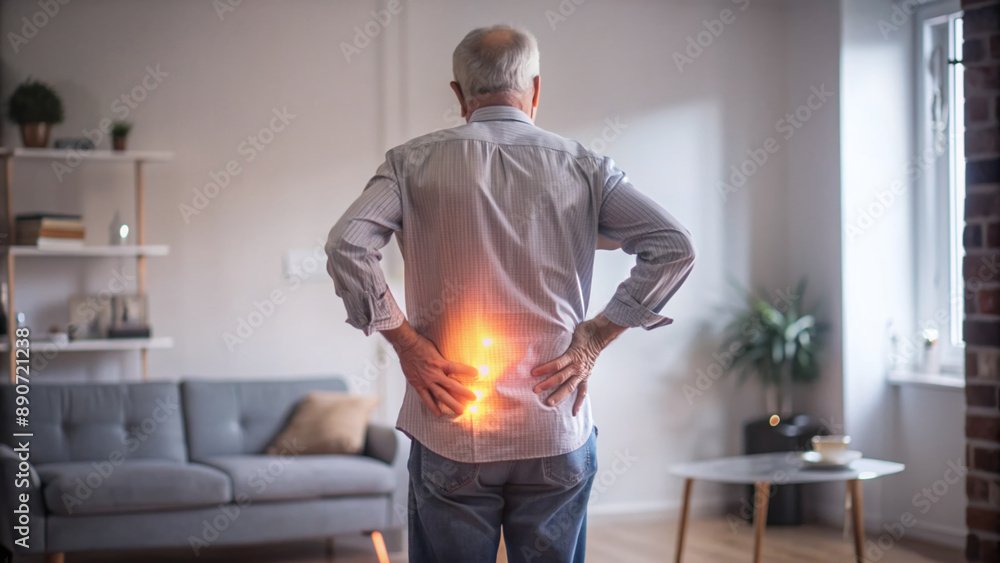
A herniated disc diagnosis often feels like the beginning of an inevitable path toward surgery. The imaging shows the disc bulging or rupturing into the spinal canal, the nerve is being compressed, and the pain is severe enough that doing nothing feels impossible. But the story between “herniated disc” and “surgery” is longer and more open-ended than many Michigan patients are told.
The majority of herniated discs do not require surgery. What they require is treatment that addresses the actual biological problem — the damaged disc tissue and the chronic inflammation it’s generating — rather than just managing the pain signal until surgery becomes the only remaining option.
What Actually Happens When a Disc Herniates
The discs between your vertebrae are tough, fibrous structures with a gel-like center. When the outer layer weakens — through injury, repetitive stress, or age-related degeneration — the inner material can push outward or rupture through the outer wall. This herniated material can compress nearby nerves, causing the radiating pain, tingling, and numbness that characterizes a herniated disc, particularly in the lower back (causing sciatica) or the neck (causing arm symptoms).
The key fact that changes the treatment calculus is that discs have a very poor blood supply. This is why disc injuries heal slowly and incompletely on their own — the tissue isn’t receiving the oxygen and nutrients needed to complete the repair process. Standard treatments that don’t address this underlying problem leave the disc in a chronic inflammatory state that generates ongoing pain.
Why Standard Treatments Often Fall Short
The typical treatment pathway for a herniated disc goes: rest and anti-inflammatories, physical therapy, epidural steroid injections, and — if none of those work — surgery. Each step has value, but each also addresses the symptom rather than the structural biology.
Physical therapy strengthens the muscles supporting the spine and can reduce loading on the disc, but it cannot repair the disc itself. Epidural steroid injections reduce inflammation in the epidural space, providing meaningful relief for many patients, but the relief is temporary because the disc damage generating the inflammation hasn’t resolved. Surgery removes the herniated material or fuses the segment — a mechanical fix that doesn’t address the surrounding tissue damage and carries significant risk and recovery burden.
How Prolozone® Therapy Addresses Disc Herniation
Prolozone® Therapy targets the fundamental problem of disc herniation: damaged, oxygen-deprived tissue stuck in a chronic inflammatory state. Medical-grade ozone is injected into the area of disc damage and surrounding spinal tissue, dramatically increasing oxygen utilization at the cellular level. This restores the conditions the disc and surrounding structures need to begin genuine repair.
Simultaneously, the anti-inflammatory nutrient formula delivers targeted compounds directly to the injury site — reducing the inflammatory response that’s compressing the nerve while providing the raw materials for tissue regeneration.
For many patients with herniated disc conditions, this means progressive, cumulative pain reduction across a series of sessions as the disc tissue and surrounding structures repair themselves. The nerve compression reduces as the inflammation resolves and the disc’s structural environment improves.
What Results Look Like
Patients with herniated disc conditions treated with Prolozone® at Dr. Wiener’s Bloomfield Hills practice typically experience:
- Reduction in radiating leg or arm pain associated with nerve compression
- Decreased local back or neck pain at the disc level
- Improved range of motion and ability to sit, stand, and walk
- Progressive improvement across three to six sessions
- Return to activities that disc pain had prevented
Results vary depending on the severity of the herniation, how long it has been present, and the degree of surrounding tissue damage. Dr. Wiener evaluates each patient individually and provides a realistic assessment of what Prolozone® can achieve for their specific condition.
Serving Herniated Disc Patients in Oakland County
If you’ve been diagnosed with a herniated disc in Michigan and are looking for a non-surgical path forward, Dr. Wiener’s practice at 359 Enterprise Ct in Bloomfield Hills is worth a call. He serves patients from Troy, West Bloomfield, Rochester Hills, Birmingham, Farmington Hills, and throughout Oakland County. Call (248) 291-7223 to schedule a consultation.